
Data & pervasive games and scaling up impact sessions. #thisthat camp at #SussexHumsLab pic.twitter.com/m45wm4e2SF
— SussexHumanitiesLab (@SussexHumsLab) May 20, 2016
Last week I ran a The Humanities and Technology Camp – or THATCamp – at the Sussex Humanities Lab. These open, delegate led meetings are among my favourite bits of academic life: spontantous, creative, democratic, fun, productive, egalitarian. Although everything on the intersections between humanities and technologies goes at such things, our event included a minor hack: we had a theme – Scale – and with it a (wonderful) keynote. And so This&THATCamp Sussex Humanities Lab was born, the ‘This’ furthered by us playing around with the scheduling, creating two-hour slots for ‘proper’ sessions that required time and space and one-hour slots for briefer, more impromptu (usually discussion) offerings. And it worked really well, encouraging us to be concise where concision was required and providing room for more in depth work where that was needed.
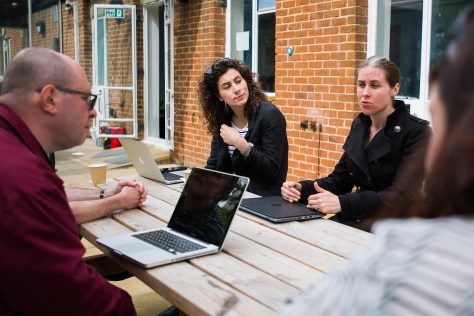
One of the things I stressed to attendees was that I wanted us to do and make things rather than talk about doing and making things. This has nothing to do with hack vs yack, but rather a desire to capture the ideas, expertise, and energy in the room, particularly as we were such as diverse group with undergraduates and professors, humanists and social scientists, academics and non-academics all represented.
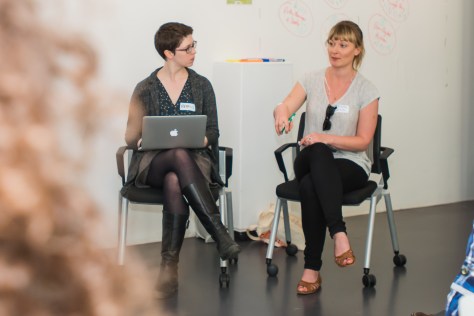
Much of what we made is currently lingering on our Slack channel, but there are a few treats available right now:
- Everything we could find out in an hour on Friday 6 February 1789
- A list of proposed mini sessions,
- My digital history lectures from this year
- Notes and video from the keynote
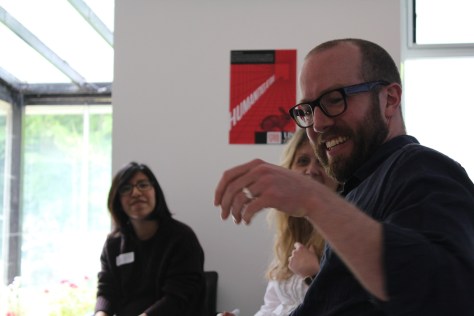
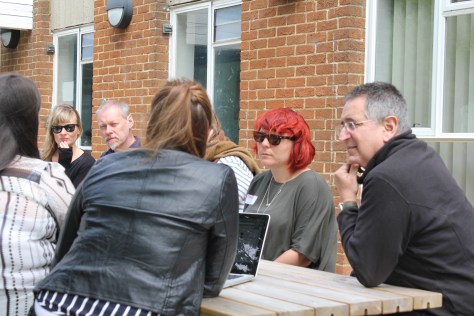
As ever, I had a blast. I worked with old friends and made new ones. I thought through complex problems that dog the work that we digital humanities do (I may, for example, never use the phrase “distant reading” again). And I learnt so much: that there are people out there fighting to keep all births, marriages, and death data from Ancestry, that there are tools out there that can – with a little effort – turn my R code into interactive visualisations, and that undergraduates and Digital Humanities do mix.

Without the generosity, open-mindedness, and willingness to fail of those who attended – not least my colleagues at the Sussex Humanities Lab who put so much effort into running the event – none of this would have happened. So bravo folks. Awesome job.
 cradledincaricature
You must be logged in to post a comment.